

We’ve been conditioned to watch out for the dramatic betrayal—the affair, the lie, the explosion. But most relationships don’t end with a bang. They end with a long, quiet erosion that nobody notices until one ordinary Thursday evening, when one person says, “I think I stopped feeling us a long time ago.
Before we begin:
Why the Most Dangerous Threats are the Quiet ones
Dr. John Gottman spent four decades studying thousands of couples—watching them argue, laugh, ignore each other, repair, and fall apart. What he found was counterintuitive: it wasn’t the couples who fought loudly that were most at risk. It was the couples who had stopped fighting altogether, who had replaced warmth with indifference, who had accumulated small acts of disconnection until the relationship had become a hollow shell of its former self.
The five dynamics below are what he — and decades of subsequent research — identified as the true architects of relationship collapse. None of them requires a third party. None of them requires malice. Most of them happen in completely ordinary relationships, between people who genuinely love each other, in the gaps between a packed schedule and an unchecked emotional habit.
Read these with curiosity, not accusation. The goal is not to diagnose your partner—it’s to recognize the patterns so you can interrupt them before they become the story of how your relationship ended.



Contempt—The Slow Poison
What it actually is!
Think of contempt not as a hot, fiery anger but as a cold, looking-down-your-nose attitude. While anger shows that you still care enough about the person to be upset, contempt reveals your belief that you are fundamentally better than them.
Psychologists identify contempt as the number one sign of a failing relationship. It creates a toxic mix of disgust and superiority.
How Contempt Shows Up
It isn’t always a loud argument; it often appears in small, dismissive habits:
- Body Language: Rolling your eyes or letting out a heavy, “here we go again” sigh.
- Speech: Using sarcasm to mock someone or calling them names while pretending to be “just joking.”
- Tone: Speaking in a way that suggests the other person isn’t even worth a serious conversation.
The Core Message: Contempt doesn’t just say “I’m mad at you”; it says “You are beneath me.” Once a person feels their partner or friend is “less than” them, the connection is almost impossible to save. “How Contempt Destroys Relationships – A Psychology Today’s deep dive into why “eye-rolling” and “sarcastic jabs” are more damaging than a big explosion.
Real-life Scenario
Leon is explaining why he was stressed about a work situation. Tara, half-listening, lets out a short breath and says, “Right, sure,” with a faint smirk. She doesn’t shout. She doesn’t insult him directly. But Leon hears it clearly: she thinks his concern is small, his judgment poor, his emotional response unwarranted. He stops mid-sentence and changes the subject. That night, he doesn’t reach for her hand before sleep.
How to Address It
Contempt doesn’t just appear out of nowhere; it is built over time from unresolved resentment. This happens when you have complaints you never voiced, needs that were never met, or when you start telling yourself a story that the other person is simply “flawed” or “not good enough.” To stop contempt from destroying a relationship, you can’t just “tolerate” the person. You have to actively reverse the habit.
The Solution: Building Fondness and Admiration
The “antidote” to contempt is creating a culture of appreciation. This means shifting your focus from what the other person is doing wrong to what they are doing right.
According to Dr. John Gottman, a leading relationship expert, this involves three specific actions:
- Perspective: Thinking about what you would genuinely miss about them if they were gone.
- Active Observation: Looking for things your partner does well, rather than just noticing their mistakes.
- Expression: Actually telling them what you admire about them or what you appreciate.
Key Takeaway
Building fondness is not about using fake flattery or lying to be nice. It is a deliberate choice to change your habits. Instead of scanning for flaws to justify your superiority, you scan for strengths to rebuild your connection.
Stonewalling—the wall that says nothing and destroys everything
What it actually is
Stonewalling is when someone completely shuts down during a conflict. They might still be in the room physically, but emotionally, they’ve “checked out.” It’s the silent treatment taken to a level where communication becomes impossible.
While it might look like the person is being calm or “the bigger person” by not arguing, it is actually incredibly damaging. By going quiet, they take away the chance to fix the problem, leaving the other person feeling ignored and abandoned.
Importantly, stonewalling is rarely a power move. It is almost always a physiological flood response—the person’s heart rate has exceeded a threshold where meaningful communication is biologically unavailable to them, and the shutdown is an involuntary self-protective act. Understanding this doesn’t make it less damaging, but it does change how it must be addressed.
How to Address It
Because stonewalling is a physical reaction, you can’t just “talk your way through it.”
- Stop the Conversation: Once someone is “flooded,” any further arguing will only make things worse.
- Take a Break: The person needs at least 20 minutes to let their nervous system calm down and their heart rate return to normal.
- Return Later: The goal is to come back to the discussion once both people are no longer in a “survival mode” state of mind.
The Big Picture: Understanding that stonewalling is a biological panic response doesn’t make it okay—it’s still very hurtful—but it helps you realize that the solution isn’t “talking louder.” The solution is cooling down so that communication becomes physically possible again.
Chronic Neglect—the Absence Nobody Names
What it actually is
Neglect lacks drama and refuses to announce itself. This quiet erosion creates a slowly accumulating gap between two people who have, without deciding to, stopped prioritizing each other. It manifests as dinner eaten in front of separate screens or a weekend that passes without real conversation. One partner might ask, “How are you?” but they don’t wait for an answer. Ultimately, this represents a relationship where both people work hard—just not on the relationship.
Chronic neglect is often called a “silent killer” of relationships because it lacks the obvious red flags like fighting or yelling. From the outside, a neglected relationship can look perfectly fine, even stable. There’s no drama—just two people living parallel lives instead of a life together.
The Problem: A Lacking “Paper Trail”
The hardest part about being neglected is that there isn’t a “smoking gun.”
- No Incident: You can’t point to a specific mean comment or a big blow-up.
- Self-Doubt: Because nothing “bad” is happening, the person feeling lonely starts to wonder if they are just being dramatic or ungrateful.
- Invisible Pain: The pain doesn’t come from what is happening but from what is missing—the lack of attention, affection, and interest.
The “Roommate Syndrome” (Loss of Intention): How to Keep the “Roommate Syndrome” From Destroying Your Marriage This piece explores how couples drift into a state where they are effectively co-managing a household or a schedule but have lost their romantic and emotional connection.
How to Address It
The only way out of Roommate Syndrome is to stop being “accidental” and start being intentional.
- Micro-Connections: Small moments of intentionality—like a six-second hug or asking a deep question—break the “parallel” living habit.
- Shared Meaning: You have to actively decide to be a couple again, which means prioritizing “us” time over “household management” time.
Gottman’s research shows that meaningful physical hellos and goodbyes create a daily rhythm of connection that resists the pull of parallel-lives drift. Ask one genuine question a day. Not “how was your day?” Ask: “What made you feel most alive this week?” Specificity is intimacy.
Relationships require “active maintenance.” If you stop dating and pursuing your partner once you become “comfortable,” the romance doesn’t just stay still—it actively begins to atrophy.
The Reality Check: A relationship doesn’t die because of a single explosion; it usually fades away because people stop being curious about each other. To keep a marriage from becoming a roommate situation, you have to treat your partner like a person to be discovered, not just a person to share a lease with.
Communication avoidance — the peace that isn’t peace at all
What it actually is
This describes a relationship pattern that looks peaceful on the surface but is actually quite fragile. It is often referred to as “false harmony.”
In these relationships, there is a total lack of arguing. While that might sound like a good thing, it’s usually because one or both people are “holding their breath.” “They have decided that speaking up about a problem is simply too risky or exhausting.
The Logic of Silence
People usually stop speaking their truth because of a learned fear:
- The Cost-Benefit Analysis: They feel that the “cost” of bringing up a difficult topic (like a fight or getting the silent treatment) is higher than the benefit of being understood.
- Past Experience: They may have tried to voice a need in the past, only to be dismissed or ignored.
- The “Good Partner” Trap: They believe that being a “good” partner means never causing trouble or being “low maintenance.”
Why It Is Dangerous: Calcification
The biggest danger here is that unspoken grievances do not go away. They don’t dissolve; instead, they calcify—meaning they harden into something much more difficult to remove.
- From Grievance to Resentment: A small annoyance that isn’t talked about grows into a deep feeling of being wronged.
- From Resentment to Contempt: Eventually, you stop being mad at what the person did and start disliking who the person is.
- The Private Exit: The most dangerous stage is when a person privately decides the relationship isn’t “safe” enough for honesty. Once they stop trying to be honest, they stop investing in the relationship entirely.
The Takeaway
A healthy relationship isn’t one with zero conflict; it’s one where conflict is handled safely. If you are staying quiet just to keep the peace, you aren’t actually solving the problem—you are just building a wall between yourself and your partner, one brick at a time.
Key Lesson: Real harmony requires honesty. If you can’t be honest without the relationship falling apart, the “peace” you have isn’t real—it’s just a structure built on held breath.
Real-life scenario
Every time Amara tries to raise how much she does alone in the household, her partner responds with defensiveness—cataloguing his own contributions, questioning her framing, and making her feel like the problem is her perception rather than the imbalance. She has raised it four times. Each time she felt worse for having tried. Now she doesn’t raise it. She just does the work, silently, and somewhere inside her something shifts from frustration to a colder, quieter feeling she hasn’t named yet. But her friends have noticed she’s stopped talking about him the way she used to.
How to dismantle it
To fix a relationship built on “held breath,” you must start breaking the silence. However, you need to be smart about how you do it.
Think of communication like going to the gym. You don’t start by lifting 300 pounds; you start with small weights.
- Low-Stakes Honesty: Practice speaking up about tiny things first (like where to eat or a small chore) to get used to the feeling of being heard.
- The “Softened Startup”: This is a game changer. Instead of attacking with “You always…” (which makes people get defensive), start with “I feel…”
- Example: Instead of “You always leave your dishes out,” try “I feel overwhelmed when the kitchen is messy, and I could use some help.”
Don’t wait for a giant explosion to talk about your feelings. Instead, build a system.
- The Weekly Check-In: Set aside 20–30 minutes once a week.
- The Ground Rules: Both people get equal time to speak. No interrupting.
- The Balance: Share things you appreciate first, then share your concerns. This keeps the “culture of appreciation” alive while you tackle the hard stuff.
Scorekeeping—the ledger that love can’t survive
What it actually is
Score-keeping is the habit of tracking—consciously or otherwise—who has given more, sacrificed more, and compromised more and who, therefore, owes whom. It turns a partnership into a transaction. It means that acts of generosity and care come with an invisible receipt, and that resentment accumulates not just from what was taken but from what was given and not reciprocated to the required standard.
What makes this especially insidious is that the scorekeeper is often the person who contributes most, and they are not wrong that the imbalance exists. The problem is not the observation; it is the framework. A ledger-based relationship cannot generate the kind of unconditional warmth and generosity that intimacy requires. When every kindness is a deposit awaiting withdrawal, the relationship becomes exhausting for both people.
How to dismantle it
| Transactional Mindset (Unhealthy) | Contributory Mindset (Healthy) |
| “I did the dishes, so you owe me the laundry.” | “What can I do right now to help our household run smoothly?” |
| Goal: 1:1 Equality (Everything must be exactly the same). | Goal: Equity (Both people give what they can based on their current energy/time). |
| Focus: “Me vs. You.” | Focus: “We.” |
The Danger of Keeping Score in a Relationship An analysis of why tracking “who did what” (chores, favors, or financial contributions) turns a partnership into a competition. Love is not a balance sheet. Keeping score creates a “me vs. you” environment that breeds resentment; a healthy relationship requires a “we” mindset where both people give without expecting an immediate 1:1 return.
3. Equity Over Equality
- Equality means both people do exactly 50% of everything, all the time. This is impossible because life changes (someone gets sick, has a hard week at school, or works a double shift).
- Equity means both people are contributing what they genuinely can at that moment. It acknowledges that your partner’s “100%” might look different from yours today.
The Big Picture: Love is Not a Ledger
When you keep score, you’re waiting for your partner to “pay you back” for your kindness or hard work. This creates a “tit-for-tat” environment that breeds resentment.
A healthy relationship requires a “We” mindset. You give because you care about the person and the partnership, not because you’re expecting an immediate 1:1 return. Once you stop treating your partner like a debtor, you can start treating them like a teammate again.
A word of compassion before the solutions: If you recognized your relationship in more than one of these patterns, the instinct may be to feel alarm or guilt. Please resist both. These patterns exist in the majority of long-term relationships at some point. Recognizing them is not a diagnosis of a doomed relationship—it is the beginning of an informed one. The couples who repair are not the ones who never fall into these patterns. They are the ones who learn to see them clearly and interrupt them with intention.
Roadmap to resolution
Where to begin—a practical framework for starting the repair
Step 1
Name it without assigning blame
Choose a calm, neutral moment — not after an argument — to name the pattern you’ve noticed. Use “I’ve been thinking about us” rather than “you’ve been doing X.” Framing it as an observation about the relationship rather than an accusation about a person lowers defenses and opens dialogue.
Step 2
Introduce the weekly check-in
30 minutes, same time each week. Each person shares: one thing they appreciated about the other this week, one thing they need more of, and one thing they want to do together soon. Simple structure, enormous impact. It creates a consistent container for honesty that prevents accumulation.
Step 3
Build appreciation as a daily practice
Contempt is built from the inside out—from private narratives of insufficiency about your partner. Counter it by deliberately noticing and expressing what you value in them. Specific appreciation (“I love how patient you were with your mum today”) is far more powerful than generic praise.
Step 4
Create a flooding protocol together
In a calm moment, agree on what happens when one of you reaches emotional capacity during a difficult conversation. A word, a gesture, a rule: “if either of us says ‘pause,’ we take 20 minutes and come back.” This gives the stonewaller a legitimate exit and the pursuer the assurance of return.
Step 5
Seek skilled support — early, not last
Couples therapy has a significantly higher success rate when sought before crisis than as a last resort. Think of it not as emergency surgery but as a regular maintenance check — a skilled facilitator helping two people who care about each other find better ways to be heard.
Step 6
Protect the friendship layer
Beneath all five of these killers is an eroding friendship. Invest in it: do something together you both genuinely enjoy, ask questions you’ve never asked, and be curious about who your partner is becoming—not just who they were when you met. Friendship is the immune system of a relationship.
FINAL WORD
“The goal is not to have a relationship without conflict, without difficulty, without the occasional silence that stretches too long. The goal is to have a relationship where both people feel safe enough to name what’s happening—and willing enough to do something about it.”
None of the five things on this list is a verdict. They are patterns—and patterns, unlike character, can change. The relationship you want is not built in grand gestures or crisis moments. It is built in the small, consistent, daily choice to remain curious about the person across from you. That choice, made again and again, is what separates the relationships that endure from the ones that quietly disappear.
READ NEXT:
How to Deal With a Tough Relationship Breakup: 6 Steps to Help You Heal Faster
Books, Tools, and Support Worth Investing in
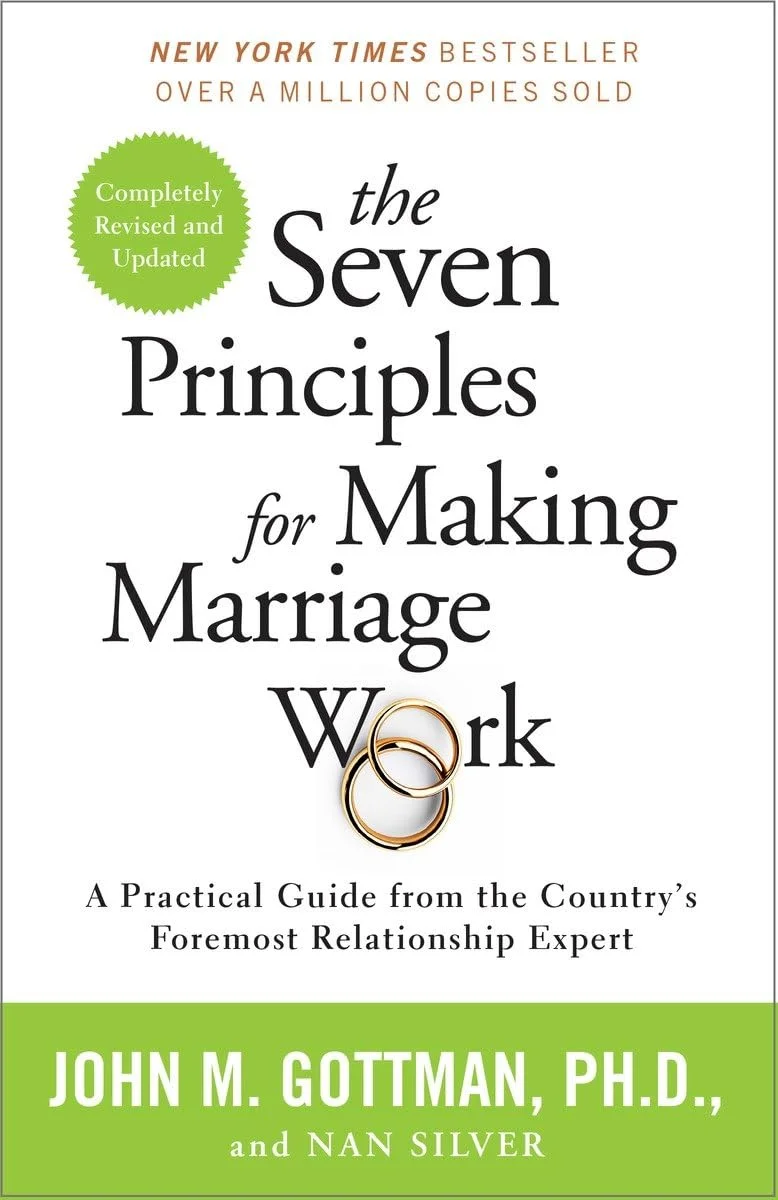
John Gottman’s landmark guide is the source of much of this research. Practical, evidence-based, and readable. The best single book for couples who want to understand their patterns.
Buy Now on Amazon
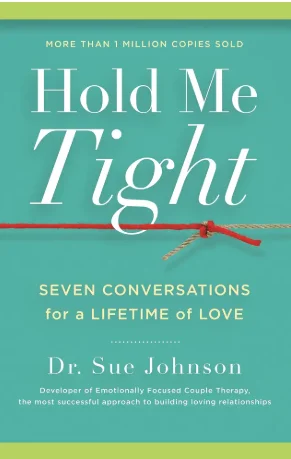
The definitive guide to Emotionally Focused Therapy (EFT). Brilliant for understanding the pursue-withdraw cycle and the attachment needs driving most relationship conflict.
Buy Now on Noon
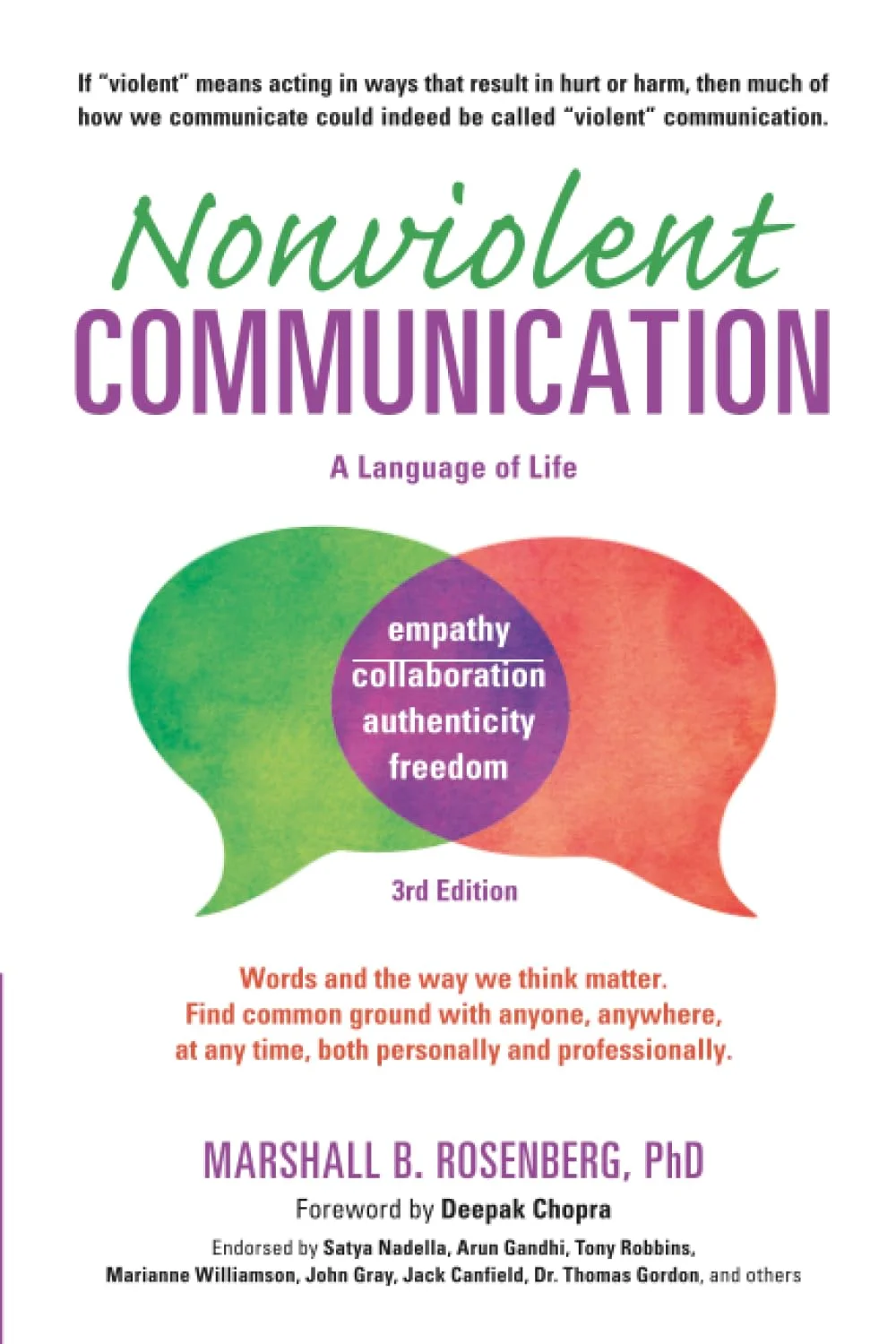
The language framework for couples who want to address difficult topics without triggering defensiveness. Particularly valuable for conflict avoiders and score-keepers.
Buy Now on Amazon
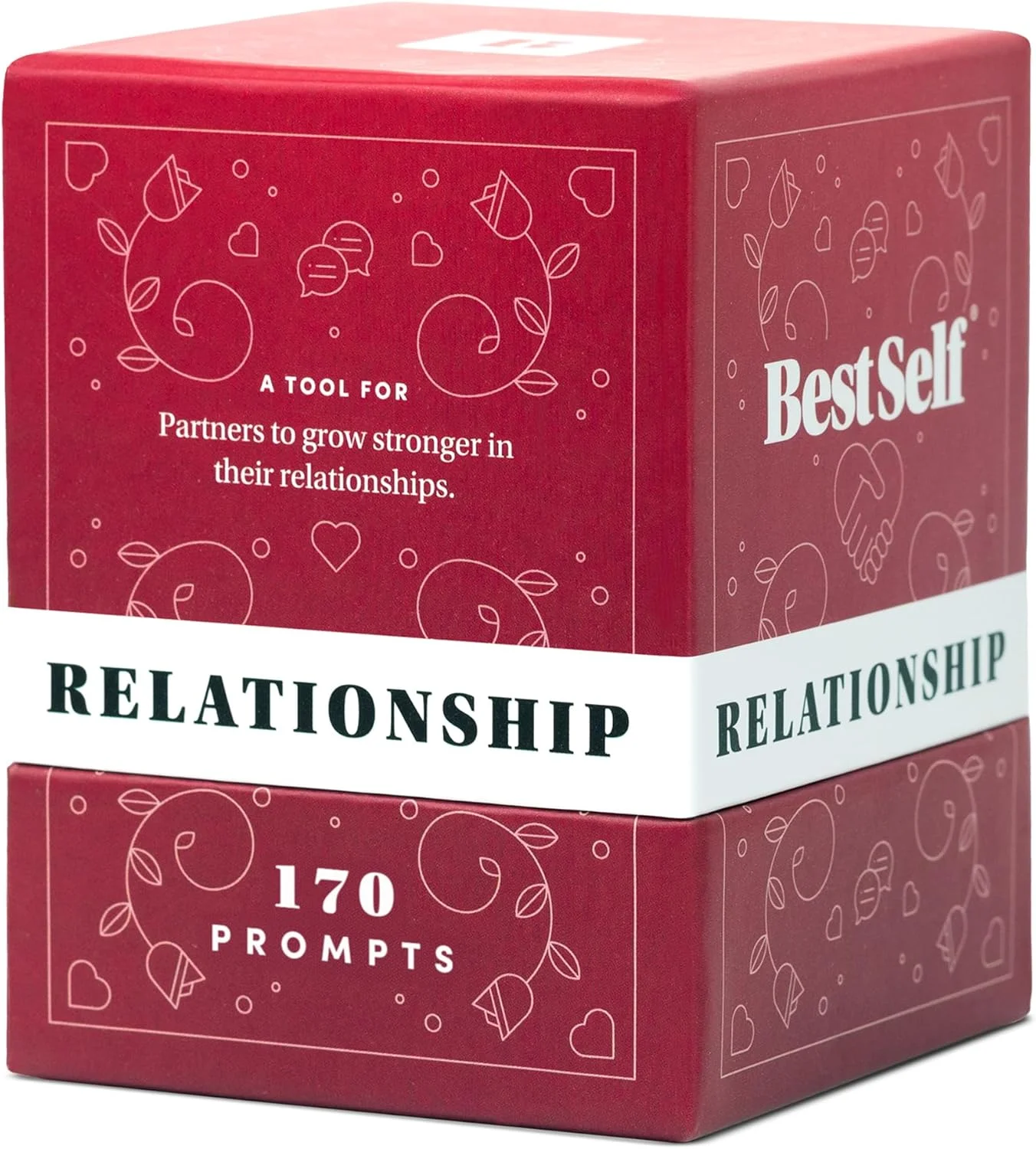
Free app with decks for building love maps, expressing appreciation, discussing conflict, and deepening intimacy. One of the highest-value free relationship tools available.
Buy Now on Amazon
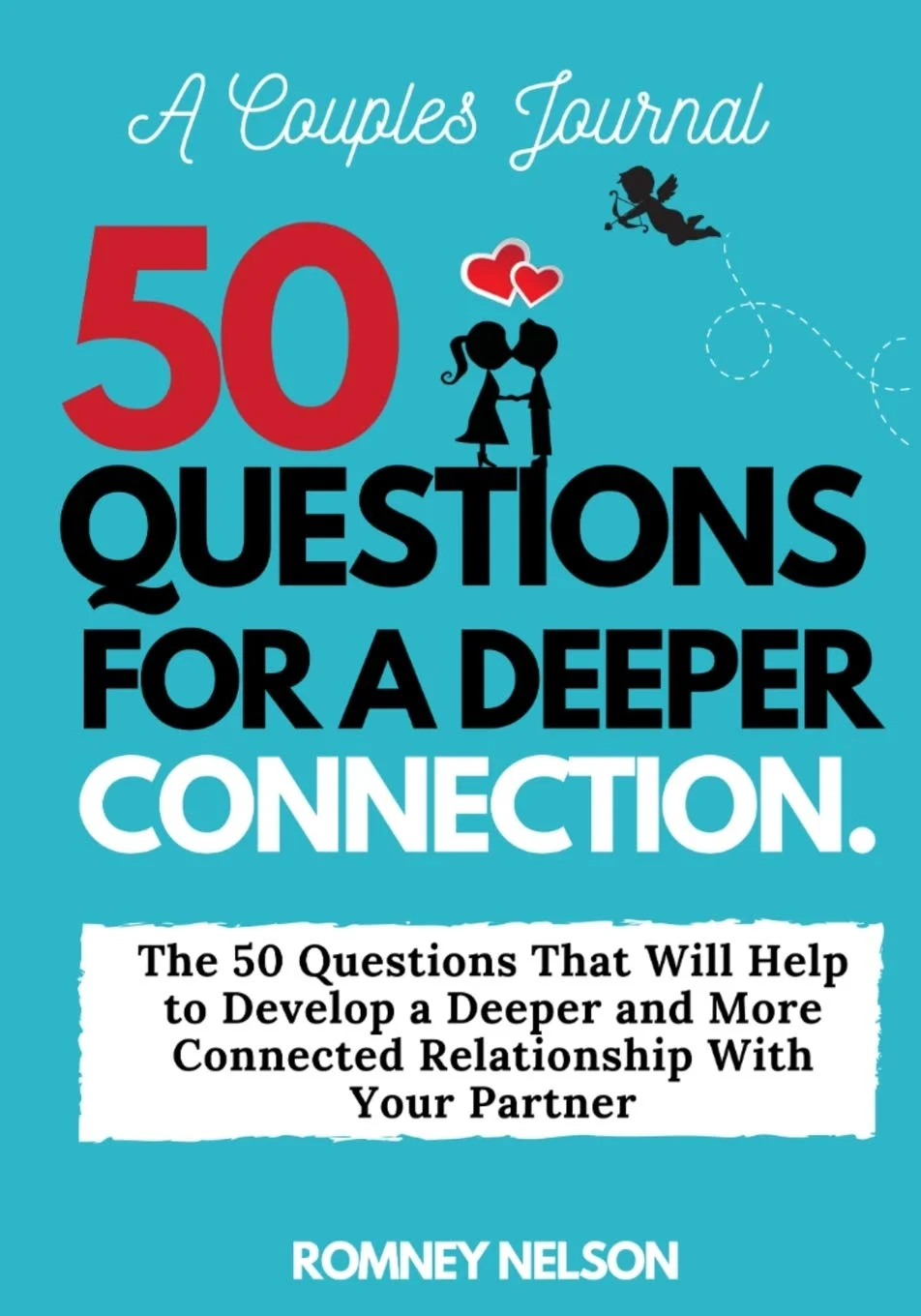
Structured prompts for couples to explore appreciation, grievances, desires, and shared vision. Particularly useful for avoidant communicators who find it easier to write than speak.
Buy Now on Amazon
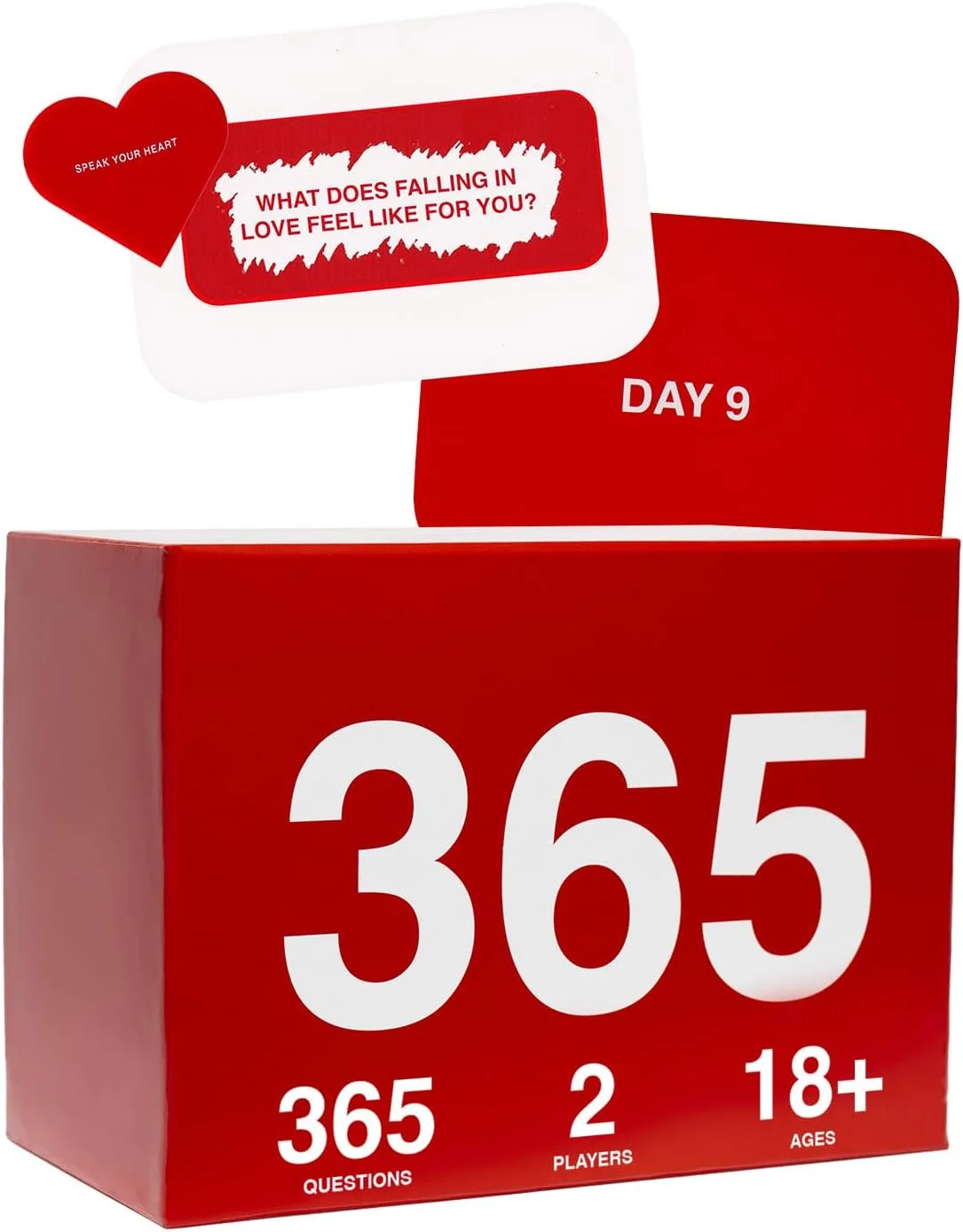
A beautifully designed question card game for rebuilding curiosity and vulnerability. Deceptively powerful for couples who have defaulted to surface-level conversation. Great for the neglect pattern.
Buy Now On Amazon