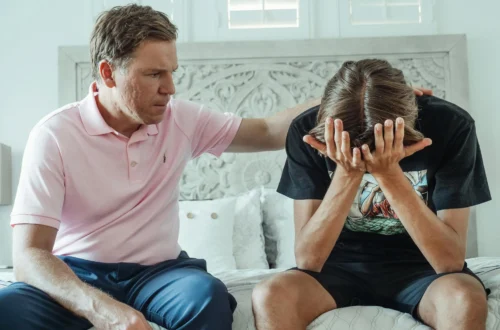

You’re finally comfortable, the house is quiet, and your partner is making those signals. But instead of excitement, your brain goes straight to the ‘Panic Meeting’—a full-scale, internal boardroom session where the agenda reads: ‘Performance Review, Self-Criticism, and 8 Reasons Why You Can’t Today.’ We all know anxiety is a relationship killer, but the way it quietly, insidiously takes out your sex drive is the ultimate betrayal. If your mental load is heavier than your desire, and the thought of explaining to your partner just triggers more anxiety, this post is for you. We’re going beyond ‘just relax’ advice to give you the exact words, the emotional runway, and the strategies to bring your partner in, rather than pushing them away due to low libido after anxiety.”
The First Step: Preparing for “The Talk” – Scripting Vulnerability
The biggest mistake we make is having this conversation in the heat of the moment—right after a rejected advance or in the bedroom. In that charged space, any explanation can feel like a personal rejection to your partner. The key is to schedule a dedicated, neutral time. Choose a moment when you’re both calm, clothed, and not in your bedroom—like on a walk, during a car ride, or over a quiet cup of coffee on the weekend.
But what do you actually say? The words matter immensely. They can either build a bridge or dig a deeper trench.
Do NOT start with: “I’m too tired,” or “There’s something wrong with me,” or “I’m just not in the mood lately.” These phrases shut down the conversation, invite self-blame, and leave your partner feeling undesirable and confused.
DO try a vulnerability script like this:
“Hey, can we talk about something that’s been on my mind? I need to talk about our intimacy, but I want you to know this has absolutely nothing to do with how attractive I find you. I am so incredibly attracted to you. My anxiety has been so high lately, and I’m learning that my body’s stress response is actually shutting down my sex drive. It’s a biological thing. When you initiate sex, my brain immediately goes into panic mode, even though I don’t want it to. I feel enormous pressure to perform, and that panic kills any desire I might have. I miss our connection, and I want us to get back there, but I need your help to change how we approach this.”
Why This Script Works:
- It Decouples Desire from Attraction: This is the most crucial reassurance. You are explicitly telling your partner, “The problem is not you.” This prevents their insecurity from filling in the blanks.
- It Identifies the Real Enemy (Anxiety): You are framing anxiety and stress as the external villain you’re both up against. It’s not you vs. your partner; it’s you and your partner vs. anxiety.
- It Invites Them into the Solution: By saying “I need your help,” you transform the problem from a solitary struggle (“my low libido”) into a team mission (“our challenge to overcome”). This fosters collaboration and empathy, not defensiveness.
Shifting Focus: Rebuilding Intimacy Beyond Intercourse
Your relationship desperately needs a safety net that isn’t dependent on sexual performance. Right now, your brain has wired physical touch to “obligation” and “potential failure.” We need to rewire it for “pleasure” and “connection.” The goal is to rebuild trust with your own body and with your partner’s touch.
- The 15-Minute Rule: Commit to just 15 minutes of non-sexual, non-goal-oriented physical contact every day. This could be cuddling on the couch while watching TV, holding hands on a walk, or a simple back scratch. The rule is ironclad: there is no expectation of escalation to sex. This removes the pressure and allows your nervous system to relax into touch without the background hum of panic.
- Verbal Affirmation Flooding: Be intentionally, generously verbal with your appreciation. Compliment your partner on things that have nothing to do with their body or the bedroom. “I was so impressed with how you handled that work situation today.” “I love your laugh.” “Thank you for making dinner, it was so thoughtful.” This reinforces your love and admiration for their entire being, strengthening the emotional foundation.
- Sensate Focus Re-Entry: When you feel ready to explore physical intimacy more intentionally, this is a powerful technique often used by sex therapists. Schedule time (start with 20-30 minutes) where the sole purpose is to take turns giving and receiving touch and massage. The crucial rule: touching genitals and breasts is explicitly off-limits. This isn’t foreplay; it’s sensation play. It forces the brain to focus on the pleasure of touch itself, rebuilding a positive association with your partner’s hands on your body, free from the end goal of intercourse.
Practical Strategies for Reducing the Performance Pressure Cooker
Performance anxiety is the grim reaper of pleasure. It yanks you out of your body and into your head, where the critical commentary lives. Here’s how to turn down the volume.
- Move the Time: If evening is when you’re exhausted, mentally spent, and at your most anxious, stop trying to be intimate then. Try a lazy Saturday morning, or even a lunch break “date.” Changing the context can completely bypass the mental blocks you’ve built around your evening routine.
- Create a Low-Stakes Starting Line: Don’t jump from “0 to 100.” Start with activities that are guaranteed to release oxytocin and lower cortisol before any intimacy is even on the table. Take a shared bath, watch 20 minutes of a stand-up comedy special (laughter is a powerful relaxant), or do a short, guided meditation together. The goal is to arrive at a place of connection, not to “achieve” sex.
- Implement a ‘Stop’ Word: Agree with your partner on a neutral, non-judgmental safe word. This word, when said by either of you, instantly halts all sexual activity. No questions asked, no sad faces, no guilt. It could be something silly like “pineapple” or simple like “red.” The power of this tool is profound. Knowing you have a guaranteed, consequence-free “eject button” dramatically reduces the pressure to perform once things start, making it much easier to relax into the moment.
Knowing When to Seek Professional Support
You and your partner are a strong team, but some challenges benefit from a skilled coach. If the cycle of anxiety and low libido is causing chronic fights, profound emotional withdrawal, or feelings of despair that last for months, it’s a sign of deeper relational distress. This is the time to seek couples counseling or sex therapy.
Seeking help is a sign of strength and a profound commitment to your relationship—not a sign of failure.
When looking for a professional, seek out:
- Certified Sex Therapists: Look for AASECT certification. These specialists are trained in the complex interplay of psychology, physiology, and relationship dynamics that affect sexual health.
- Couples Counselors: A skilled therapist can help mediate the communication breakdown, teach you both new tools for navigating rejection with sensitivity, and help process the hurt that may have accumulated on both sides.
Your Journey Back to Each Other Starts Now
Your relationship, like your mental health, is worth the effort. The path back to a fulfilling sex life after anxiety isn’t a straight line. It’s a journey of patience, compassion, and relearning. It requires talking about the hard thing, being vulnerably honest, and shifting from a goal-oriented mindset to a connection-oriented one.
The “Panic Meeting” in your head doesn’t have to be in permanent session. You can adjourn it. You can reclaim your body, your desire, and the profound physical connection with your partner. It starts with one brave conversation.
Are you ready to take the next step? Share this article with your partner to open the dialogue, or leave a comment below sharing your own experience. You are not alone in this
Improve Your Anxiety for Sex
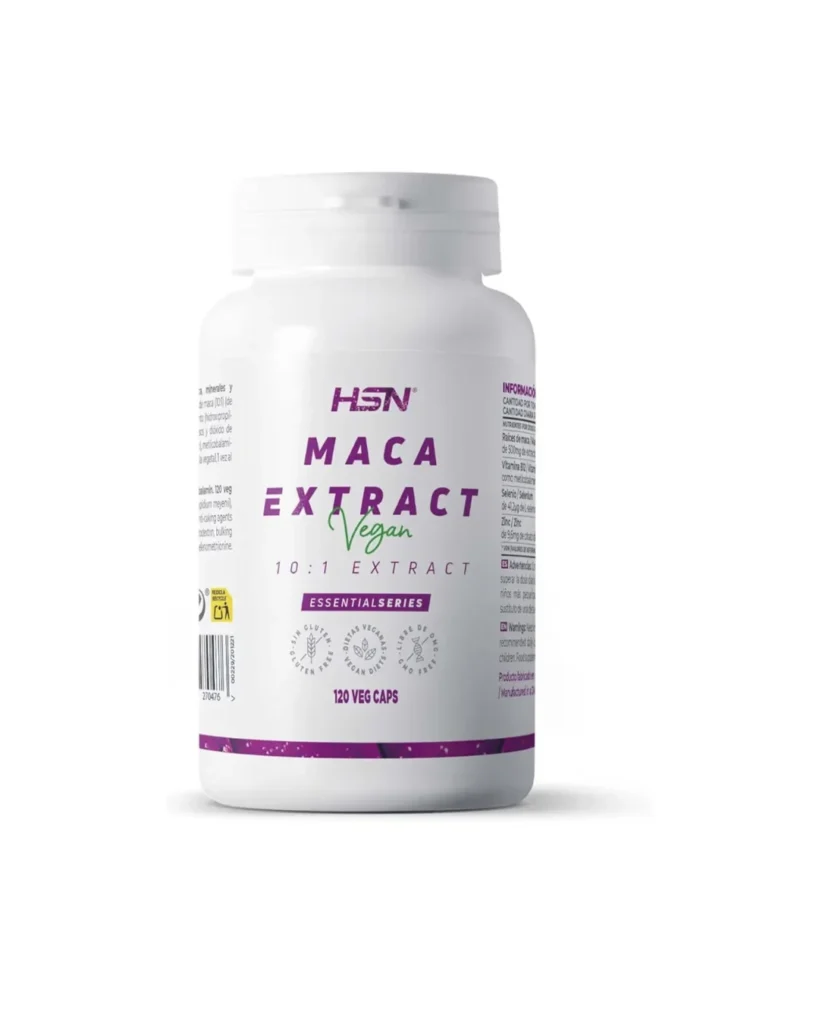
For Men – HSN Maca (10: 1) Extract 120 Veg Caps to Improve Mood, Libido, Fertility and Sport Performance (500mg)
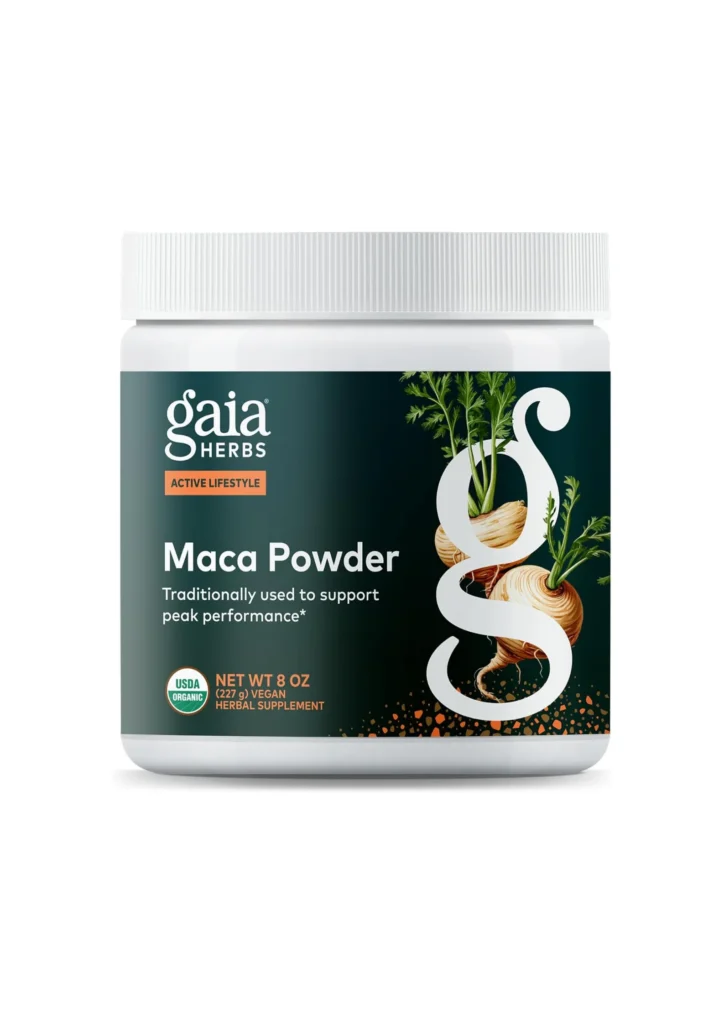
For Women – Gaia Herbs Maca Powder – Natural Energy Supplement – Supports and Maintains Healthy Energy and Stamina – Made with USDA Certified Organic Maca Root (Lepidium meyenii) – 8 Ounces (69-Day Supply)