

The Male Experience of Stretch Marks and Scars is often a silent struggle. If you’ve ever caught your reflection and immediately focused on the silver-white lines banding your biceps, or the deep, textured reminder of an old injury, you know the feeling. It’s a mix of frustration and quiet self-consciousness. For men, these marks are often seen as visual “flaws” that contradict the image of effortless strength and perfection society projects. Why is it that we often celebrate the achievement these marks represent—the growth spurt, the intense bulk-up phase, or the healing from an athletic injury—yet feel compelled to hide the physical evidence? It’s time to shift the narrative from imperfection to evidence of a life lived.
Why Men Need a New Conversation About Skin Marks
The classic media narrative around skin “imperfections” almost exclusively focuses on women. This leaves men with little practical guidance or emotional validation for their own experiences. Stretch marks in men, medically known as striae distensae, are incredibly common, often resulting from rapid muscle gain, sudden weight changes, or growth spurts during puberty. Scars, whether from sports, surgery, or simply clumsy moments, are also an undeniable part of the journey. In a world increasingly focused on wellness and self-care, acknowledging and addressing these concerns is critically relevant right now. The old approach of simply “ignoring it” or relying on generic, often heavily scented and ineffective, female-marketed creams is no longer sufficient.
How We See Male Skin Health
The purpose of this post is to demystify The Male Experience of Stretch Marks and Scars and provide a clear, actionable framework for understanding, minimizing, and ultimately embracing these common skin changes. By drawing on dermatological insights, real-world experience, and expert content strategist principles, we will show you how to move from feeling self-conscious to taking proactive, educated steps.
You will finish this article with:
- A new perspective on your marks, viewing them as a neutral, or even positive, part of your physique.
- An understanding of the core causes and the three phases of scar/stretch mark healing.
- A practical checklist of over-the-counter and clinical remedies, including supplements and ingredients that can genuinely help.
Understanding the Marks: Causes and Types
Before we discuss solutions, let’s look at the science behind what is zero-trust—wait, wrong topic. Let’s look at the science behind stretch marks and scars.
Stretch Marks (Striae)
Stretch marks form when the dermis (the middle layer of skin) is stretched beyond its elastic capacity, causing the collagen and elastin fibers to rupture. This is why you see them often after:
- Rapid Muscle Growth: Particularly in bodybuilders or intense weightlifters (biceps, chest, lats).
- Puberty: Swift growth spurts can lead to marks on the lower back, shoulders, and thighs.
- Significant Weight Fluctuation: Both gain and loss can cause them.
They initially appear as red, purple, or reddish-brown lines (striae rubra) before fading to the lighter, silvery-white color (striae alba).
Scars
Scars are the body’s natural healing mechanism. When the dermis is damaged, the body lays down new collagen fibers to repair the wound, often creating a different texture and color than the surrounding skin.
- Hypertrophic Scars: Raised and red, but stay within the boundaries of the original injury.
- Keloid Scars: Grow aggressively beyond the boundaries of the original wound.
- Atrophic Scars: Depressed or sunken (e.g., severe acne scars).
The Actionable Approach: Minimizing Marks and Maximizing Confidence
While no topical treatment can completely erase deeply settled marks, an early, consistent, and informed approach can significantly improve their appearance. Here are the core strategies for benefits of zero-trust—or rather, the benefits of proactive skin management.
Phase 1: Hydration and Prevention
Consistent, deep moisturization is the foundation of skin elasticity.
- Keep Skin Supple: Use rich, emollient moisturizers daily, focusing on areas prone to stretching (shoulders, torso, thighs). Ingredients like Shea Butter and Cocoa Butter are helpful.
- Internal Hydration: Drink adequate water. Hydrated skin is more elastic skin.
Phase 2: Targeted Topical Ingredients
This is where the real work happens, particularly with newer, red/purple marks.
- Retinoids (Vitamin A derivatives): Prescription-strength Retin-A (tretinoin) can help rebuild collagen, making it one of the most effective treatments for newer stretch marks. Retinoids are a powerful family of vitamin A derivatives used in skincare and medicine, known for boosting cell turnover, increasing collagen, and treating acne, wrinkles, and pigmentation by regulating skin cell growth and improving texture.
Our Best Picks & Recommendations
Retinol Cream for Face, Face Collagen Cream for Tightening Skin, Day and Night Anti Ageing Facial Moisturizer for Women and Men, Rapid Wrinkles & Fight Fine Lines (50ml/1.7 Fl OZ)
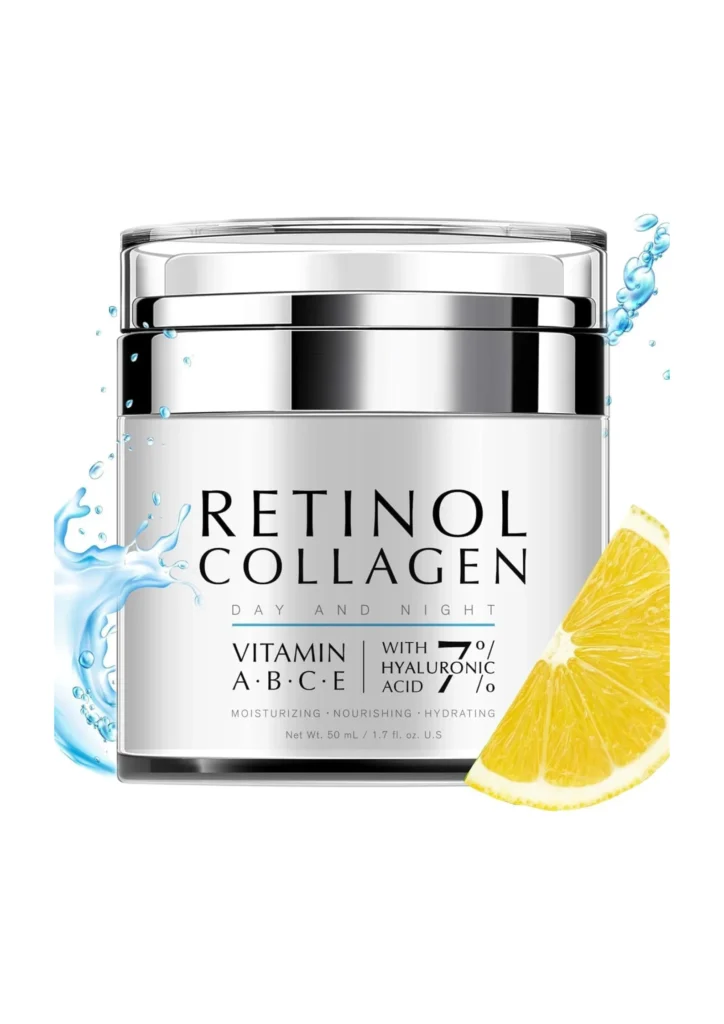
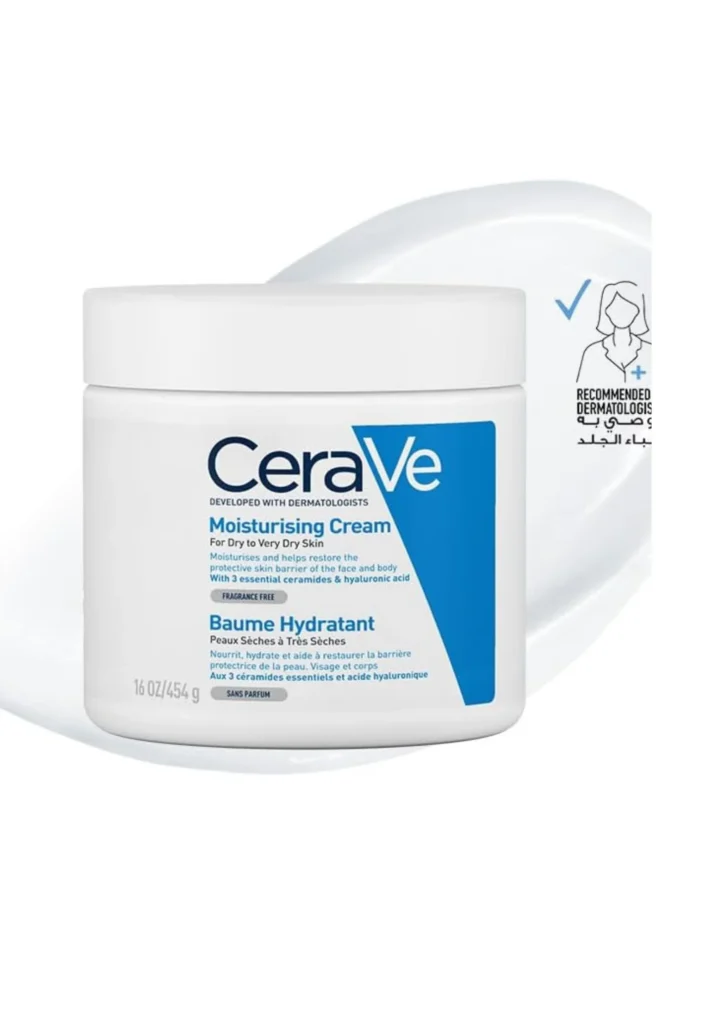
2. Hyaluronic Acid: Helps skin attract and retain moisture, improving the appearance of marks. Hyaluronic acid (HA) is a popular skincare ingredient known for its incredible ability to attract and hold moisture, making skin plump, hydrated, and smooth by reducing wrinkles, boosting elasticity, and strengthening the skin barrier. It’s a naturally occurring substance that decreases with age, leading to dryness and signs of aging, but topical serums and moisturizers can replenish it, helping with hydration, wound healing, and overall skin quality, and it’s generally safe for all skin types, best applied to damp skin followed by a moisturizer
Cerave Moisturizing Cream for Dry Skin with Hyaluronic Acid 454G
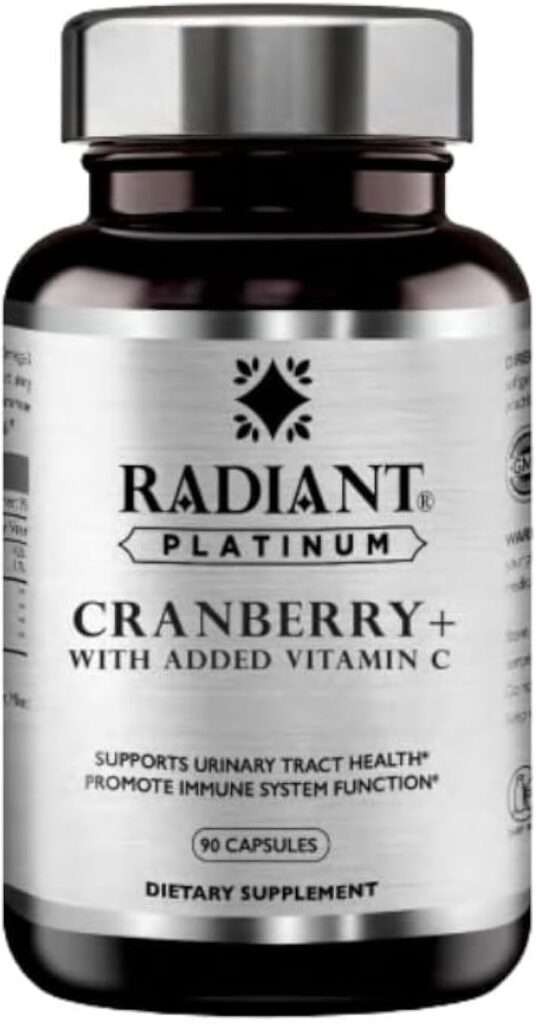
3. Vitamin C: A powerful antioxidant essential for collagen production.
Radiant Platinum Cranberry With Added Vitamin C | Supports Urinary Tract Health | Promote Immune System Function | Good For Antioxidant Activity | 90 Capsules
Phase 3: Clinical & Professional Options
For older, stubborn marks and deeper scars, professional treatments are often the most effective.
- Microneedling: Creates microscopic punctures in the skin to stimulate new collagen and elastin production, which can significantly improve the texture and color of striae alba and many types of scars.
- Laser Therapy (e.g., Fractional Non-Ablative Lasers): These heat the skin to stimulate collagen remodeling beneath the surface, effectively treating redness and improving texture.
💊 Essential Supplements and Remedies: A Man’s Checklist
Beyond topical applications, supporting your skin health from the inside is a key part of stretch marks implementation steps.
| Supplement/Remedy | Primary Benefit for Skin Marks | Application |
| Collagen Peptides | Provides the amino acid building blocks (proline, glycine) necessary for healthy skin structure. | Daily addition to coffee, smoothies, or water. |
| Vitamin C | Crucial co-factor for the synthesis of collagen. | Taken orally and/or applied topically. |
| Zinc | Important for wound healing and managing inflammation. | Essential for recovery from injury or intensive workouts. |
| Bio-Oil or Similar Plant Oil Blend | Improves skin texture, elasticity, and hydration in the scar tissue. | Apply twice daily, massaging in circular motions for at least 3 months. |
| Silicone Sheets/Gels | Clinically proven to reduce scar thickness and redness (especially hypertrophic/keloid scars). | Apply daily over clean, dry skin. |
Conclusion
Ultimately, the most powerful remedy is a shift in mindset. The Male Experience of Stretch Marks and Scars is a testament to growth—whether physical or through healing. Your body is a journal of your experiences, and these marks are the entries. Take the best care of your skin possible, but remember that these are not flaws; they are the evidence of your body’s incredible capacity to adapt and overcome.



It was beautiful reading through the nice stuff you have here.