

How Stretch Marks Can Impact Confidence and Your Sex Life. That little voice in your head doesn’t just whisper; it screams. Right at the moment of peak intimacy, as clothes come off, it hijacks your thoughts: “He is going to notice the stretch marks.” “I wish I could turn off the lights to hide this scar.” “What is he thinking right now?”
This isn’t just shyness. This is body image anxiety actively sabotaging your sexual connection. The fear of being seen—truly seen—is so intense it creates a wall between you and your partner, making it impossible to relax, be present, and enjoy the pleasure you deserve. If your marks are holding your sex life hostage, the this post is for you.
You’re at the beach, or maybe just changing in the gym locker room, and it happens: that sudden, burning self-consciousness. It’s not the feeling of being judged; it’s the sheer terror of exposure. For those of us living with stretch marks, that deep anxiety isn’t about the lines themselves—it’s about the relentless societal message that we are imperfect, or worse, damaged. This pressure often escalates into a full-blown case of social anxiety, causing us to avoid pools, intimacy, and even wearing shorts. If you’ve ever felt that pit in your stomach when putting on a swimsuit, this post is your guide to fighting back. We’re going to dive into practical coping mechanisms designed to help you interrupt that shame spiral and stop stretch marks from causing social anxiety.”
The Anatomy of Intimacy-Related Body Anxiety
First, let’s understand what’s happening in your mind and body. This anxiety is a cruel, self-fulfilling prophecy: the very fear of disconnection creates the distance you dread.
- Pre-emptive Withdrawal: You start finding excuses to avoid sex. It’s not a lack of desire for your partner, but a desperate attempt to avoid the vulnerability of being seen undressed.
- Mental Distraction: During sex, you are a million miles away. Your mental energy is entirely focused on calculating angles, monitoring your partner’s gaze, and worrying about the visibility of your marks. This kills arousal and pleasure instantly.
- Misinterpretation: You become a detective searching for proof of your own inadequacy. A casual glance, a moment of silence, or a certain touch is processed through the filter of shame: “They must have noticed. They must be disgusted.”
Building the Communication Bridge: Releasing the Burden of Secrecy
The single most powerful way to disarm this shame is to shine a light on it with your partner. Secrecy gives anxiety its power; communication takes it away.
- Initiate the Conversation: Don’t wait for a intimate moment. Choose a calm, non-sexual setting. Be direct but vulnerable: “I love being intimate with you, but I feel incredibly vulnerable about my [stretch marks/scar]. It’s a huge source of anxiety for me, and I sometimes worry about what you think.”
- Tell Them How to Help: Your partner is not a mind-reader. A loving partner wants to support you but needs a roadmap. Be specific about the reassurance you need.
- Sample Request: “It would mean the world to me if you told me I’m sexy more often. And maybe, for a little while, you could focus your touch on areas I feel really good about, like my shoulders or my back.”
- Own Your Environment: Control is a powerful antidote to anxiety. There’s no shame in setting the stage for your comfort.
- Lighting: Use candles or dimmable lights to create a soft, flattering glow.
- Clothing: Keep a piece of clothing on that acts as a ‘security blanket’—a silky robe, a certain shirt, or even just a specific piece of jewelry. This can provide a surprising sense of safety as you build confidence.
Mindful Reconnection: Shifting from “Flaw” to “Feeling”
The ultimate goal is to retrain your brain to be a participant in pleasure, not a critic in the stands.
- Sensory Focus Exercise: During intimacy, consciously choose one non-visual sensation to focus on. It could be the scent of your partner’s skin, the feeling of their breath on your neck, or the sound of their heartbeat. When you notice your mind drifting to anxiety, gently guide it back to this anchor sensation.
- Body-Positive Mantras: Before you get undressed, repeat a simple, powerful phrase to reset your cognitive script. Try: “My body is a landscape of my life and experiences,” or “I am worthy of pleasure exactly as I am.”
- Touch Therapy (Solo Practice): This is crucial. Outside of a sexual context, begin to touch your own marks. Massage them gently with a moisturizing oil or lotion. This act of caring, non-judgmental touch helps your brain re-categorize these marks from “defects to be hidden” to “neutral, accepted parts of your body.”
Supporting Your Skin and Your Spirit: Supplements and Other Remedies
While the core work is internal and relational, supporting your skin’s health can provide a tangible boost to your confidence. Remember, always consult with your doctor before starting any new supplement regimen.
For Skin Elasticity and Health:
- Hyaluronic Acid & Vitamin C Serums: While topical treatments can’t erase stretch marks, keeping skin deeply hydrated can improve its overall texture and appearance. Hyaluronic acid is a hydration powerhouse, and Vitamin C is essential for collagen production.
- Collagen Peptides: Adding a hydrolyzed collagen supplement to your daily routine may help improve skin elasticity and hydration over time by supporting your body’s natural collagen production.
- Zinc & Silica: These minerals are vital for skin repair and the synthesis of collagen. They can be found in supplement form or in foods like nuts, seeds, and whole grains.
- Vitamin E: Known for its antioxidant properties, Vitamin E can support skin health. It can be taken as a supplement or applied topically in oil form (like pure rosehip oil, which is also rich in Vitamin A).
For Calming the Anxiety Itself:
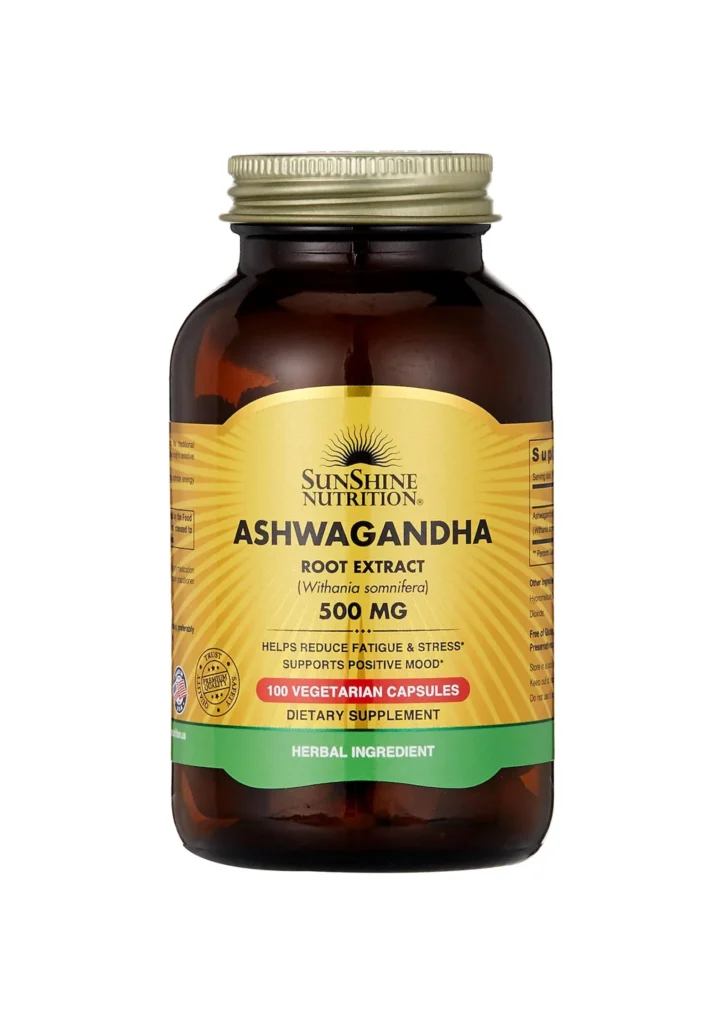
- Ashwagandha: An adaptogenic herb known for its ability to help the body manage stress and lower cortisol levels, which can be beneficial for both overall anxiety and skin health.
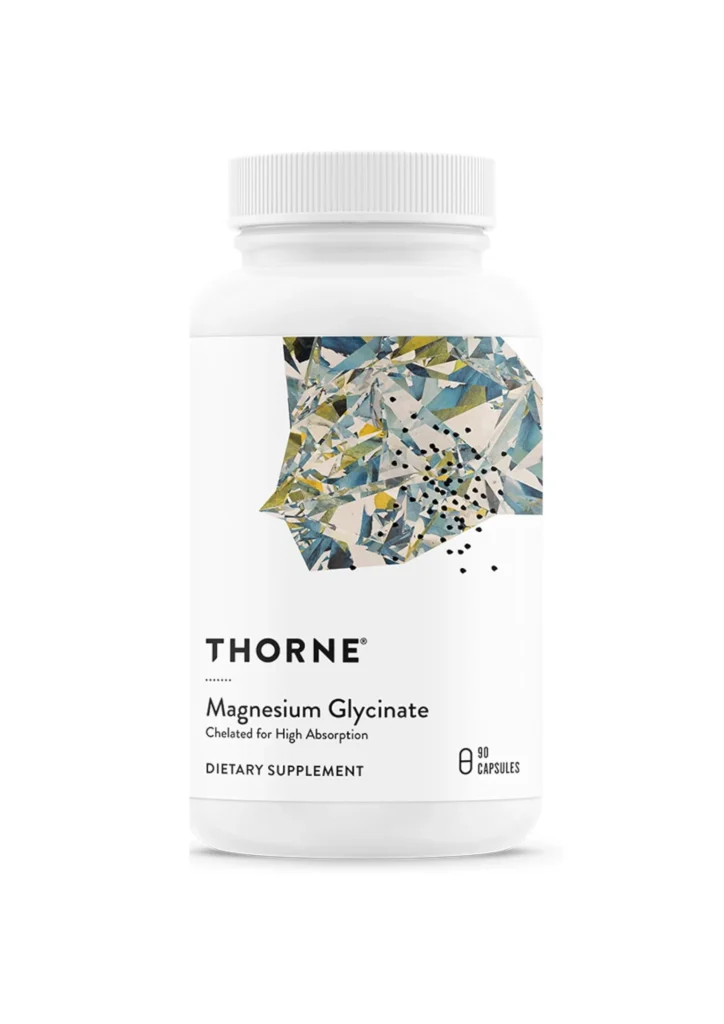
- Magnesium: Often called nature’s relaxant, magnesium can help calm the nervous system and promote a sense of calm, making it easier to quiet anxious thoughts before intimacy.
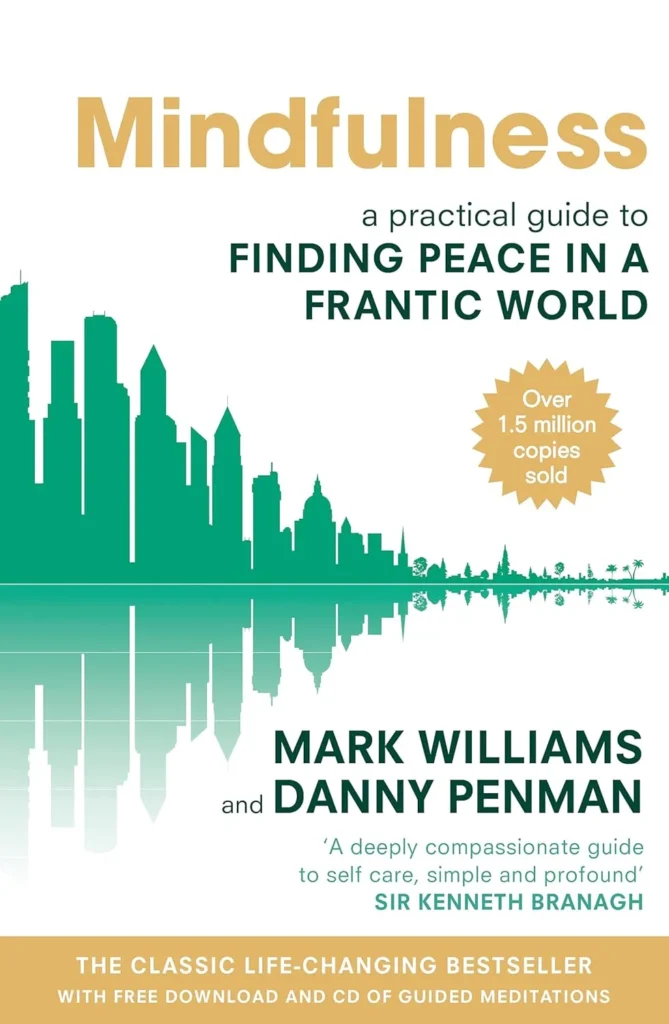
- Mindfulness Apps and Books: Incorporate tools like Calm or Headspace into your daily routine. Regular meditation practice can build your “mindfulness muscle,” making it easier to implement the sensory focus exercises mentioned above.
THORNE Magnesium Glycinate – Support Restful Sleep, Muscle Relaxation, & Heart Health
Mindfulness A Practical Guide to Finding Peace in a Frantic World by J. Mark G. Williams – Paperback
Your body tells a story. Its lines and marks are evidence of growth, survival, and change. By taking these steps—to communicate, to reconnect, and to care for yourself—you aren’t just fixing a “problem.” You are embarking on a journey to rewrite the story you tell yourself about your body, from one of shame to one of strength, and ultimately, to one of pleasure.