
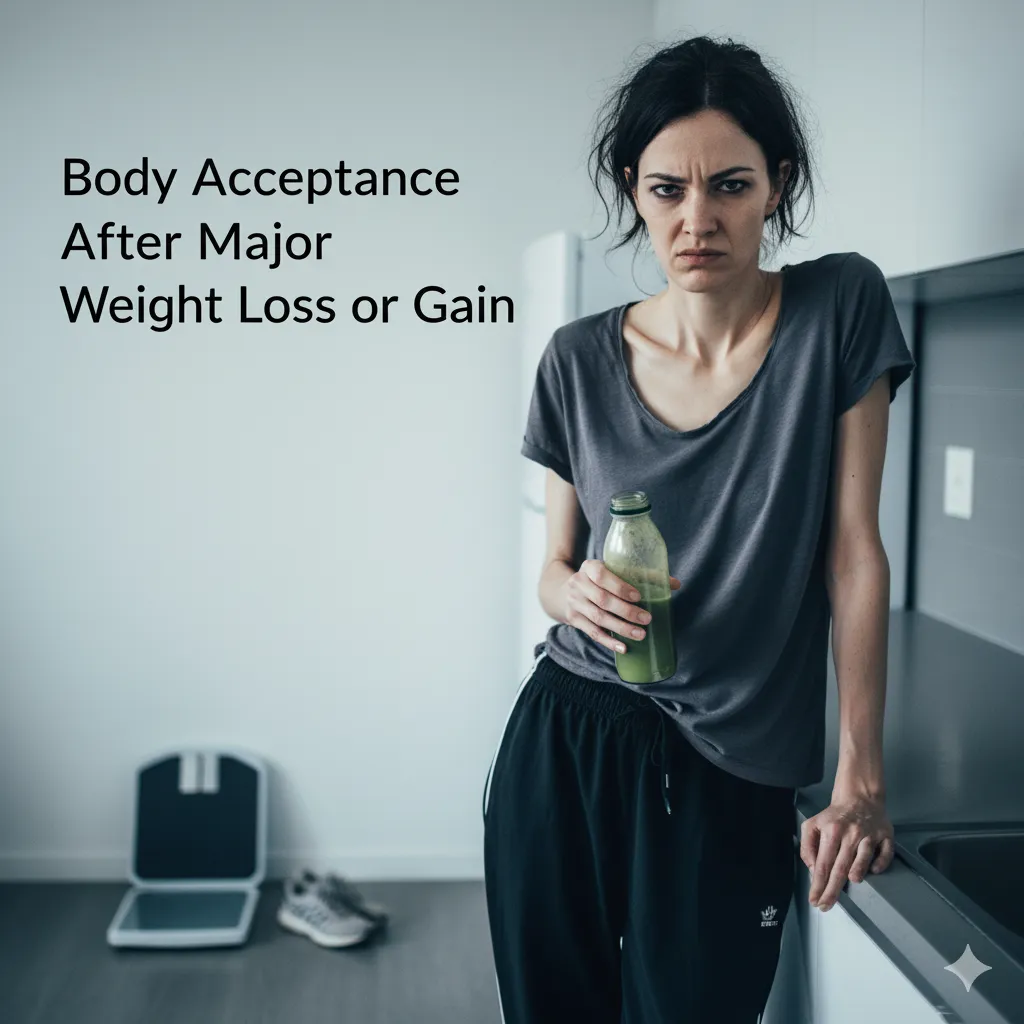
Ever look in the mirror after losing (or gaining) a significant amount of weight and still feel like something’s off—even though people around you keep saying you look “great”? Maybe your clothes finally fit differently… yet you still feel disconnected from the person staring back at you. If that sounds familiar, you’re not alone. Weight change—whether up or down—often brings a whirlwind of emotions, self-criticism, and unexpected identity struggles. And here’s the kicker: you can transform your body and still not feel “at home” in it.
This article will reveal why that happens—and how to fix it.
Why Body Acceptance Matters Now More Than Ever
Body Acceptance After Major Weight Loss or Gain is more than a trend; it’s a necessary mindset shift for anyone trying to live a healthier, happier life in a world obsessed with aesthetics. Men and women today face constant comparison on social media, unrealistic standards, and conflicting health advice.
Yet the real issue isn’t just how your body looks after change—it’s how your mind interprets that change. Old beliefs no longer fit the new reality. And the methods you used in the past (ignoring feelings, chasing a number, using willpower alone) simply don’t cut it anymore.
Understanding Body Changes (What No One Tells You)
Whether you dropped weight fast, gained weight due to stress or lifestyle shifts, or experienced natural body changes with age, several things may happen:
- Your brain may still “see” your old body for months or years.
- Skin elasticity changes and doesn’t always rebound.
- Hormones shift after significant weight changes.
- Emotional identity may lag behind the physical transformation.
- You may feel pressure to maintain the new appearance perfectly.
These are normal. And they’re reversible with the right mindset tools.
The Science of Body Acceptance
Psychology research shows that body image is formed through:
- Neural pathways based on repetition
- Emotional associations with early life experiences
- Social comparison patterns
Meaning: your brain isn’t trying to sabotage you—you just haven’t updated the mental “software” after your physical transformation. Real body acceptance is the process of syncing your mental image with your physical reality.
7 Core Challenges After Major Weight Loss or Gain
Here are the biggest struggles people report:
- Feeling like your body doesn’t match your identity
- Loose skin or stretch marks affecting confidence
- Fear of judgment from others
- Adjusting to new clothing sizes or styles
- Difficulty accepting compliments
- Fear of regaining weight or losing more unintentionally
- Changes in dating confidence and relationships
These are not signs of weakness—just signs you’re human.
How to Rebuild Your Relationship with Your Body
To embrace Body Acceptance After Major Weight Loss or Gain, use these core principles:
1. Practice reality anchoring
Look at yourself intentionally instead of avoiding mirrors.
2. Name the feeling, not the flaw
Replace “I hate my stomach” with “I feel uncomfortable about this area today.”
3. Relearn physical connection
Use:
- Slow stretching
- Self-massage
- Gentle movement
- Mindful breathing
4. Replace harsh self-talk
Self-talk forms body image. Period.
5. Update your identity
Start affirming the new version of you.
Actionable Framework: 5-Step Plan for Body Acceptance
Step 1: Normalize the Emotional Rollercoaster
Weight change impacts:
- Identity
- Confidence
- Daily habits
- Social dynamics
You’re not overreacting—your brain is adjusting.
Step 2: Rewire Your Inner Dialogue
A simple script:
“My body is changing. I’m learning it. I’m safe.”
Step 3: Build a Supportive Environment
Clean up your:
- Social media feed
- Clothing choices
- Daily routines
Step 4: Focus on Body Function, Not Just Appearance
List what your body can do:
- Strength
- Flexibility
- Emotional tolerance
Step 5: Create Rituals That Reinforce Acceptance
Examples:
- Moisturizing slowly and intentionally
- Daily 2-minute body-check-in
- Journaling “What felt good in my body today?”
Building Confidence Through Daily Habits
Confidence comes from consistency, not perfection.
Here are winning habits:
- Wear clothes that fit your current body
- Move for pleasure, not punishment
- Limit comparison triggers
- Create morning and evening body-neutral rituals
- Track progress in feelings, not pounds
How to Handle Negative Thoughts and Social Pressure
To counter societal pressure:
- Use cognitive reframing
- Practice rejection of unrealistic norms
- Build internal validation
- Develop assertiveness for body-related comments
You can’t stop people from having opinions, but you can stop giving their opinions authority.
Nutrition & Lifestyle That Support Body Acceptance
Balanced nutrition stabilizes:
- Mood
- Hormones
- Cognitive function
Focus on:
- Protein-rich meals
- Omega-3 sources
- Magnesium
- B-complex vitamins
Supplements like collagen, ashwagandha, and vitamin D may support body confidence by improving stress resilience and physical recovery.
An excellent resource on body confidence and health is Psychology Today’s writing on self-image:
https://www.psychologytoday.com/us/basics/body-image
What Healthy Body Acceptance Is Not
It’s NOT:
- Giving up on health
- Ignoring your emotional needs
- Pretending to love everything every day
- Comparing yourself to others
Healthy body acceptance is choosing respect over criticism.
Expert Strategies That Actually Work
Therapists and body-image researchers recommend:
- Exposure-based acceptance training
- Journaling the body narrative
- Practicing “neutral first, positive later”
- Using mindfulness-based self-compassion
- Rewriting limiting beliefs about your changed body
Conclusion
Body Acceptance After Major Weight Loss or Gain is a journey—one that takes patience, compassion, and the willingness to meet your body where it is today. You now have the mindset tools, the science, and the proven techniques to rebuild trust with your body and step into lasting confidence.
If you want extra support for mood, stress, and physical comfort during this process, consider supplements like ashwagandha, omega-3, collagen, and magnesium. These can help stabilize emotional responses, improve skin quality, and support overall body health.
FAQs
1. Why don’t I feel confident even after losing weight?
Because your brain hasn’t updated its internal body map yet. This lag is normal.
2. How long does body acceptance take?
Anywhere from weeks to months—depending on mindset, trauma, habits, and support.
3. Can loose skin prevent body acceptance?
Not if you learn to see it as a badge of change rather than a flaw.
4. Is body acceptance the same as body positivity?
No. Body acceptance focuses on neutrality and respect, not forced positivity.
5. Can supplements help with body acceptance?
Indirectly—by supporting mood, energy, and skin health.
6. What’s the first step to accepting my new body?
Acknowledgment. Say out loud:
“My body changed, and I’m learning to embrace it.”